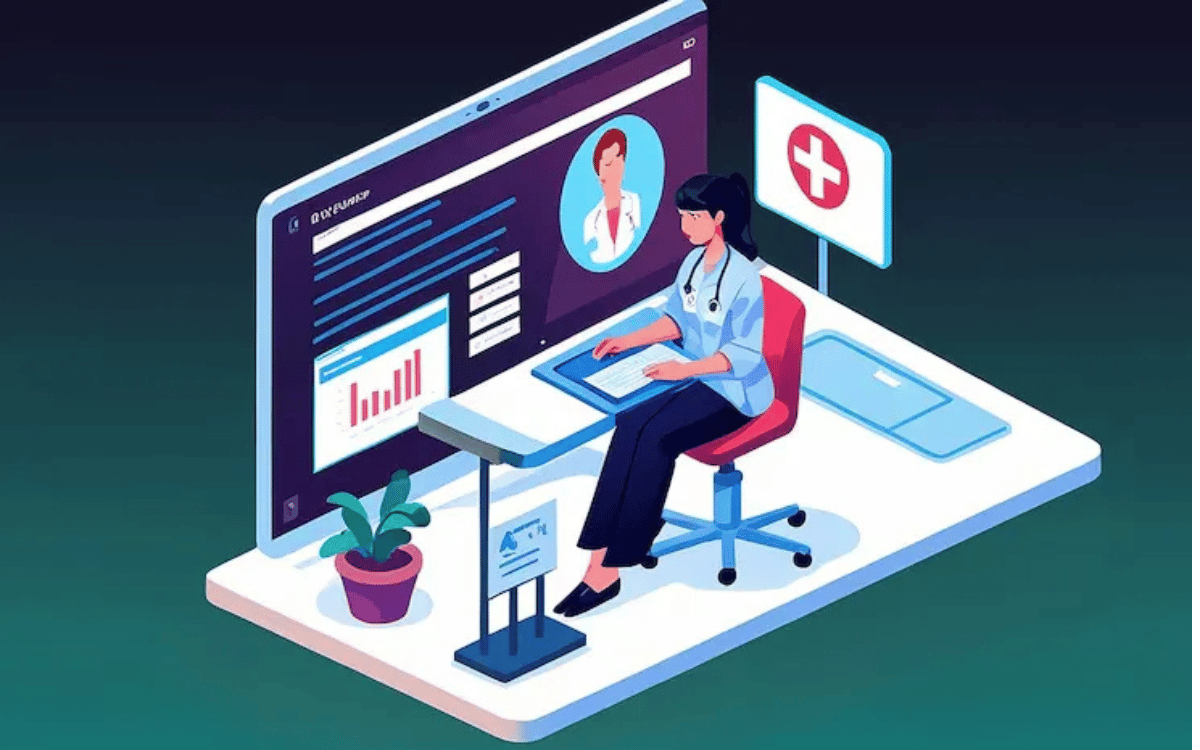
A key component of contemporary healthcare recruitment is healthcare hiring software. There has never been more pressure to hire more quickly without sacrificing quality because hospitals, clinics, and long-term care facilities continue to struggle with staffing shortages. To be honest, healthcare hiring software comes to the rescue in this situation.
Fundamentally, the purpose of healthcare hiring software is to optimize, automate, and streamline the hiring process for healthcare organizations. These platforms, in contrast to generic applicant tracking systems, are designed with workforce planning, credential verification, and healthcare compliance in mind. To put it another way, they complete the task while adhering to the law.
Leaders in the healthcare industry today are hiring for more than just skills. They are hiring based on resilience, empathy, and trust. This goal is supported by healthcare hiring software, which guarantees that competent applicants advance swiftly. The World Health Organization claims that patient outcomes are directly impacted by workforce shortages, making effective hiring a top operational priority.
Additionally, healthcare hiring software facilitates better communication between clinical leadership and HR departments. Delays and misunderstandings are reduced when everyone is in agreement. Over time, this efficiency results in reduced staff burnout and improved patient care.
Why Healthcare Recruitment Is So Challenging Today
Hiring in the healthcare industry presents unique challenges. Hiring in the healthcare industry presents unique challenges. It is intricate, controlled, and ever-evolving. It is intricate, controlled, and ever-evolving. You may be hiring registered nurses one day and searching for specialized clinicians the next. You may be hiring registered nurses one day and searching for specialized clinicians the next. When the stakes are high, healthcare hiring software keeps organizations flexible. When the stakes are high, healthcare hiring software keeps organizations flexible.
Let’s start with compliance. Let’s start with compliance. Employers in the healthcare industry are required to confirm immunization records, background checks, licenses, and certifications. Employers in the healthcare industry are required to confirm immunization records, background checks, licenses, and certifications. Manually completing this task is laborious and prone to mistakes. Manually completing this task is laborious and prone to mistakes. These checks are automated by healthcare hiring software, which lowers risk and stress. These checks are automated by healthcare hiring software, which lowers risk and stress.
Competition comes next. Competition comes next. Candidates won’t wait weeks for a response because healthcare professionals are in great demand. Candidates won’t wait weeks for a response because healthcare professionals are in great demand. You lose out on top talent if your hiring process takes too long. You lose out on top talent if your hiring process takes too long. Healthcare hiring software helps businesses remain competitive by reducing the time it takes to hire new employees. Healthcare hiring software helps businesses remain competitive by reducing the time it takes to hire new employees.
Furthermore, turnover rates are at an all-time high. HR departments are always hiring due to burnout, retirements, and career changes. Healthcare hiring software automates repetitive tasks, freeing up recruiters to concentrate on developing relationships rather than chasing paperwork.
How Healthcare Hiring Software Works
It integrates onboarding, credential verification, applicant tracking, and job postings into a single, integrated system.
Core Features Explained
Applicant tracking systems (ATS), credential management, interview scheduling, and reporting dashboards are features of the majority of healthcare hiring software platforms. Applicant tracking systems (ATS), credential management, interview scheduling, and reporting dashboards are features of the majority of healthcare hiring software platforms. Together, these tools provide recruiters with an up-to-date picture of the hiring process. Together, these tools provide recruiters with an up-to-date picture of the hiring process.
Tracking credentials is particularly important. Tracking credentials is particularly important. Healthcare hiring software ensures compliance before a candidate ever sets foot on the floor by automatically flagging missing certifications or expired licenses. Healthcare hiring software ensures compliance before a candidate ever sets foot on the floor by automatically flagging missing certifications or expired licenses.
Automation and AI in Hiring
Healthcare hiring software excels in automation. Healthcare hiring software excels in automation. AI-driven screening systems evaluate resumes, rank applicants, and even use past data to forecast job fit. AI-driven screening systems evaluate resumes, rank applicants, and even use past data to forecast job fit. That strengthens human judgment rather than replaces it. That strengthens human judgment rather than replaces it.
Healthcare organizations can decrease bias, expedite decision-making, and preserve departmental consistency by employing automation strategically. Healthcare organizations can decrease bias, expedite decision-making, and preserve departmental consistency by employing automation strategically. It’s a win-win scenario. It’s a win-win scenario.
Key Benefits of Healthcare Hiring Software
Healthcare hiring software offers measurable advantages that go beyond convenience. These benefits directly affect operational efficiency and care quality.
Speed and Efficiency Gains
Time is money, especially in healthcare. Vacant roles increase overtime costs and staff fatigue. Healthcare hiring software reduces time-to-hire by automating workflows and eliminating bottlenecks.
Recruiters can post jobs to multiple platforms at once, track candidates effortlessly, and communicate faster. As a result, positions are filled sooner, and teams stay balanced.
Improved Compliance and Security
Healthcare hiring software is built with compliance in mind. From HIPAA considerations to state licensing rules, these platforms help organizations avoid costly mistakes.
Data security is another major perk. Sensitive applicant information is stored securely, reducing the risk of breaches. That peace of mind is priceless.
Impact on Patient Care and Outcomes
It might not be obvious at first, but healthcare hiring software has a direct impact on patient outcomes. When facilities are properly staffed with qualified professionals, care quality improves across the board.
Faster hiring means fewer understaffed shifts. That leads to better patient monitoring, reduced errors, and improved satisfaction. Healthcare hiring software ensures the right people are in the right roles at the right time.
Additionally, better hiring decisions reduce turnover. Continuity of care matters, and stable teams build trust with patients. In the long run, everyone benefits.
Choosing the Right Healthcare Hiring Software
Not all healthcare hiring software is created equal. Choosing the right platform requires careful evaluation.
Must-Have Features Checklist
Look for credential tracking, compliance automation, reporting tools, and seamless onboarding. Integration with existing HR systems is also crucial.
Scalability matters too. Your healthcare hiring software should grow with your organization, not hold it back.
Common Mistakes to Avoid
Avoid choosing software based solely on price. Cheap solutions often lack essential features. Also, don’t skip user training. Even the best healthcare hiring software fails if teams don’t know how to use it.
Implementation Best Practices
Successful implementation starts with stakeholder buy-in. HR, IT, and clinical leaders should all be involved from day one.
Data migration should be handled carefully to avoid errors. Most importantly, set clear goals. Whether it’s reducing time-to-hire or improving compliance, healthcare hiring software works best when success metrics are defined upfront.
Future Trends in Healthcare Hiring Technology
The future of healthcare hiring software looks bright. AI will continue to evolve, offering predictive analytics and workforce planning tools.
We’ll also see deeper integrations with telehealth platforms and learning management systems. As healthcare delivery changes, healthcare hiring software will adapt right alongside it.
Frequently Asked Questions
1. What is healthcare hiring software?
Healthcare hiring software is a specialized recruitment platform designed to streamline hiring, credentialing, and onboarding for healthcare organizations.
2. How does healthcare hiring software improve compliance?
It automates license verification, background checks, and documentation tracking, reducing compliance risks.
3. Is healthcare hiring software suitable for small clinics?
Yes, many platforms scale to fit small practices as well as large hospital systems.
4. Can healthcare hiring software reduce turnover?
Absolutely. Better candidate matching and faster hiring contribute to improved retention.
5. Does healthcare hiring software use AI?
Most modern solutions use AI for resume screening, candidate ranking, and analytics.
6. How long does implementation take?
Implementation typically takes a few weeks, depending on system complexity and data migration needs.
Conclusion
Healthcare hiring software is no longer optional—it’s essential. In an industry where lives are on the line, efficient and compliant hiring makes all the difference. By adopting healthcare hiring software, organizations can strengthen their workforce, improve patient care, and stay competitive in a demanding landscape.
The revolution is already here. The real question is whether your organization is ready to embrace it.