In the rapidly evolving world of healthcare, clinics face the constant challenge of providing high-quality patient care while managing operational efficiency. As patient expectations rise and the healthcare landscape becomes increasingly digital, forward-thinking clinics are turning to smart healthtech to stay ahead. But what exactly is smart healthtech, and why is it becoming indispensable for modern healthcare providers?
Understanding Smart Healthtech
Smart health technology refers to the integration of advanced technologies, such as Artificial Intelligence (AI), Internet of Things (IoT), cloud computing, and electronic health record (EHR) systems, into healthcare operations. These solutions are designed not only to improve patient outcomes but also to streamline workflows, enhance data management, and enable predictive analytics. Smart healthtech transforms traditional clinics into data-driven, patient-centric hubs.
Unlike conventional healthcare software that simply stores patient information, smart healthtech actively analyzes data to provide actionable insights. From AI-powered diagnostic tools to automated appointment scheduling systems, the scope of smart health technology encompasses almost every aspect of clinical operations.
Improving Patient Experience
Patient experience has emerged as a key differentiator for healthcare providers. Smart healthtech enhances patient satisfaction in multiple ways. For example, AI-driven chatbots allow patients to schedule appointments, receive reminders, and ask basic health questions without waiting on hold. Similarly, digital check-ins reduce waiting times, giving patients a seamless start to their visits.
Wearable devices and remote monitoring systems also allow clinics to track patient health in real-time. This means that patients can receive timely interventions for chronic conditions, reducing hospital readmissions and fostering trust between patients and healthcare providers.
Enhancing Diagnostic Accuracy
Diagnostic errors remain a significant concern in healthcare. Smart healthtech addresses this challenge by integrating AI and machine learning into diagnostic processes. AI algorithms can analyze imaging results, lab reports, and patient histories with remarkable accuracy, often detecting patterns that may elude human observation.
For instance, AI-assisted radiology tools can highlight potential anomalies in X-rays or MRIs, helping radiologists make faster and more accurate diagnoses. Similarly, predictive analytics can flag patients at risk of developing certain conditions, enabling early intervention and preventive care.
Streamlining Clinic Operations
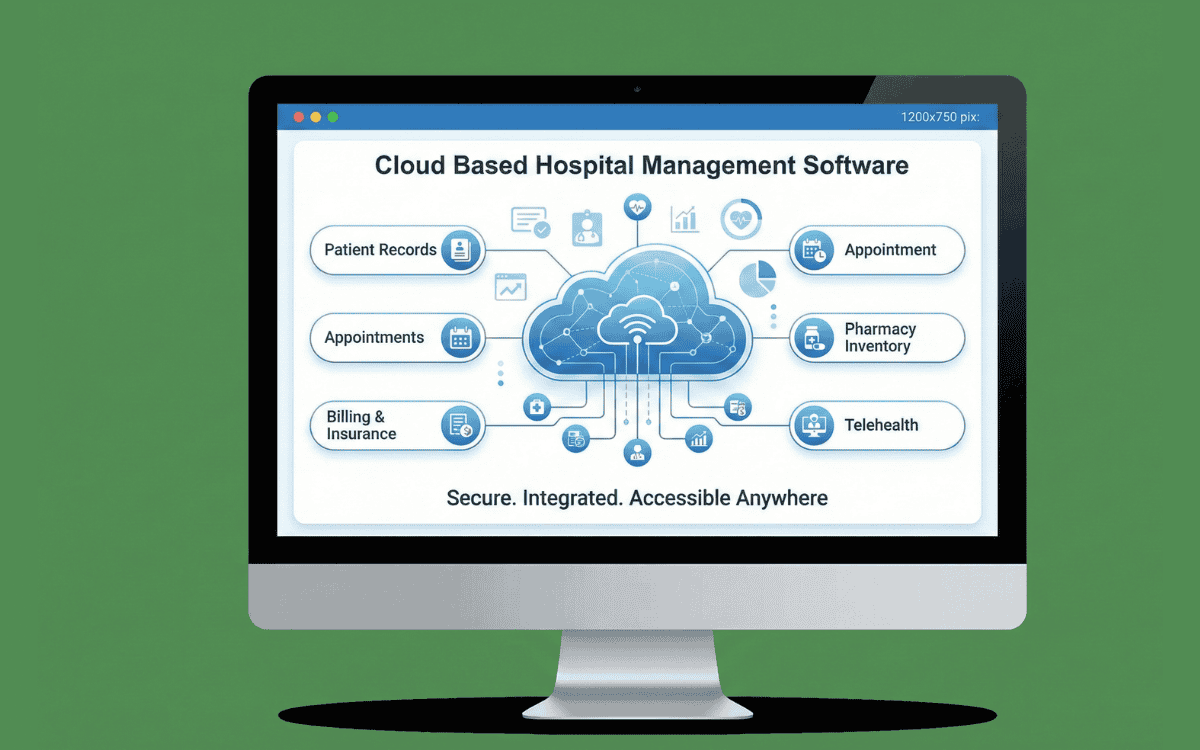
Operational efficiency is crucial for any forward-thinking clinic. Smart healthtech solutions automate repetitive tasks, such as patient registration, billing, and inventory management, freeing up staff to focus on patient care. Cloud-based health management systems allow clinics to store and access patient records securely from anywhere, reducing paperwork and minimizing errors.
Moreover, analytics dashboards provide clinic managers with real-time insights into resource utilization, appointment trends, and staff performance. This data-driven approach ensures that clinics can optimize workflows, reduce bottlenecks, and make informed decisions quickly.
Enabling Telehealth and Remote Care
The COVID-19 pandemic accelerated the adoption of telehealth, and smart healthtech has made remote care more effective than ever. Virtual consultations, remote diagnostics, and mobile health apps enable clinics to extend care beyond physical walls. Patients in rural or underserved areas can now access high-quality healthcare without traveling long distances, bridging gaps in healthcare accessibility.
Smart healthtech also allows clinicians to monitor patients remotely using connected devices. Blood pressure monitors, glucose meters, and wearable fitness trackers can send real-time data to clinic systems, allowing doctors to intervene promptly when necessary. This proactive approach not only improves patient outcomes but also reduces healthcare costs in the long run.
Strengthening Data Security and Compliance
Handling sensitive patient information requires strict adherence to data privacy regulations such as HIPAA. Smart healthtech platforms are equipped with robust security features, including encryption, multi-factor authentication, and role-based access controls. Cloud based hospital management software also provides regular backups and disaster recovery options, ensuring that patient data remains secure and accessible even during unforeseen events.
Furthermore, smart healthtech facilitates compliance by automatically generating audit trails, maintaining accurate records, and ensuring that all procedures follow regulatory guidelines. This reduces the risk of legal complications and strengthens the clinic’s reputation for responsible care.
Preparing for the Future
Healthcare is evolving rapidly, and clinics that fail to adapt risk being left behind. Forward-thinking clinics are recognizing that smart healthtech is not just a tool but a long-term strategy for sustainability and growth. By embracing technology, clinics can improve patient satisfaction, enhance diagnostic accuracy, optimize operations, and stay competitive in a crowded market.
Investing in smart healthtech also opens the door to innovation. AI-driven research, predictive modeling, and personalized medicine are all more feasible when clinics have access to accurate, real-time data. Clinics that adopt these technologies today are positioning themselves as leaders in tomorrow’s healthcare ecosystem.
Conclusion
The integration of smart healthtech in clinics is no longer optional it is essential for forward-thinking healthcare providers. From improving patient experience and diagnostic precision to streamlining operations and enabling remote care, the benefits are extensive and measurable. Clinics that invest in these technologies not only enhance their service quality but also future-proof their operations in an increasingly digital healthcare environment.
As healthcare continues to evolve, smart healthtech represents the bridge between modern medicine and patient-centric care. Forward-thinking clinics are upgrading not just to keep pace with technology but to redefine the standards of healthcare delivery ensuring better outcomes for patients and greater efficiency for healthcare providers.