Efficient water management is essential for residential buildings, commercial spaces, and industrial facilities. Manual monitoring of water tanks can be inconvenient and often leads to overflow, dry running of pumps, and unnecessary energy consumption. This is where a water level controller becomes highly valuable. It is an automated device designed to monitor and regulate water levels in overhead or underground tanks, ensuring optimal usage and preventing wastage.
In systems that rely on borewells or deep water sources, a submersible pump controller works alongside water monitoring devices to provide complete protection and automation. Together, these technologies help maintain a consistent water supply while reducing maintenance concerns.
- Understanding a Water Level Controller
- Key Components of a Water Level Controller
- How Does a Water Level Controller Work?
- Types of Water Level Controllers
- Role of a Submersible Pump Controller
- Benefits of Using a Water Level Controller
- Applications of Water Level Controllers
- Installation and Maintenance Tips
- Conclusion
Understanding a Water Level Controller
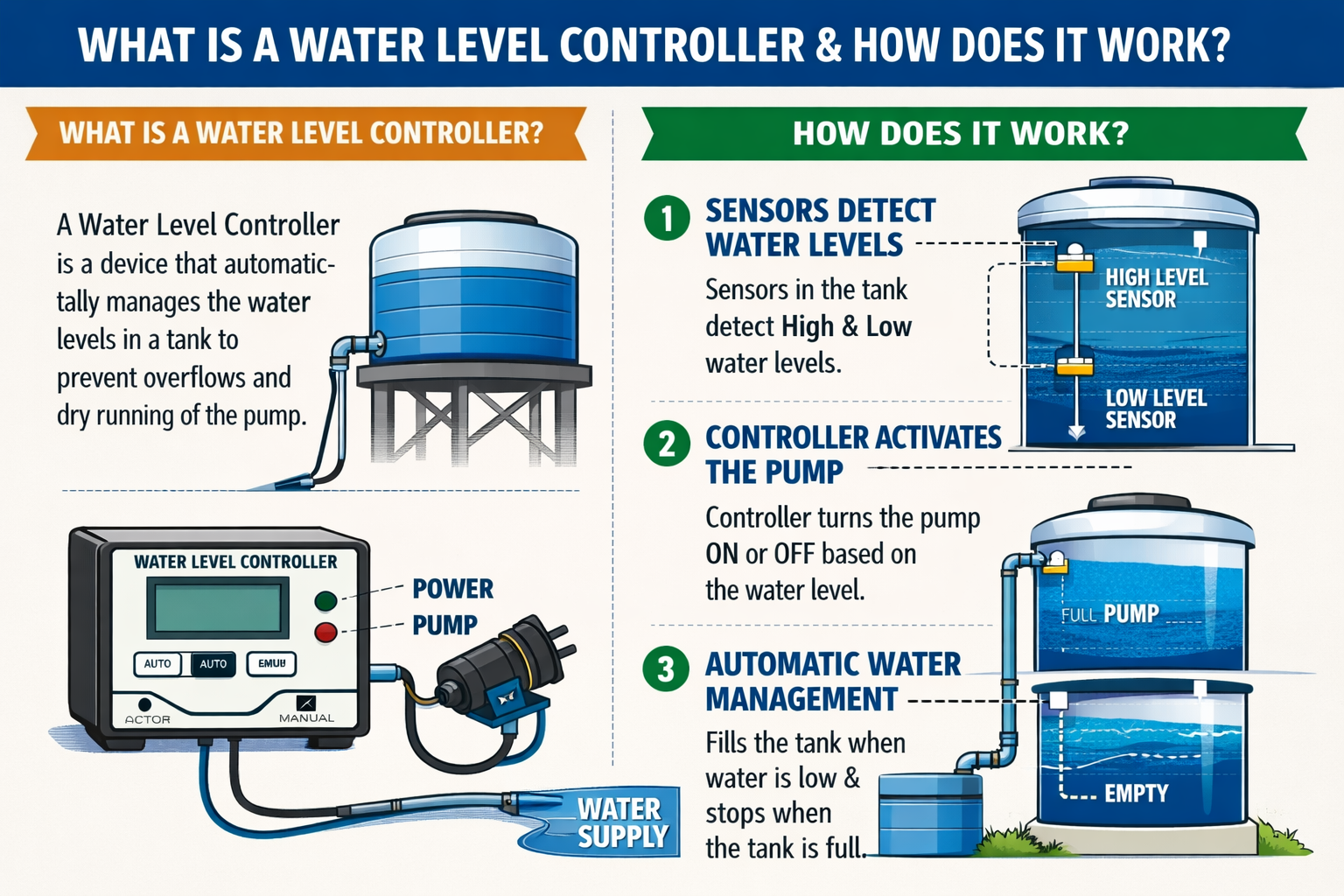
A water level controller is an electronic device that automatically switches a water pump on or off based on the water level in a storage tank. It uses sensors placed inside the tank to detect water levels. When the water level drops below a predefined point, the controller activates the pump to refill the tank. Once the tank reaches its maximum capacity, the device switches the pump off.
This automation eliminates the need for manual intervention and prevents common problems such as tank overflow or dry running.
Key Components of a Water Level Controller
A typical water level controller consists of several important parts:
- Sensors: These are installed at different levels inside the tank to monitor water presence.
- Control Unit: This processes signals from the sensors and determines when to turn the pump on or off.
- Relay or Switching Mechanism: This connects to the pump and executes the control commands.
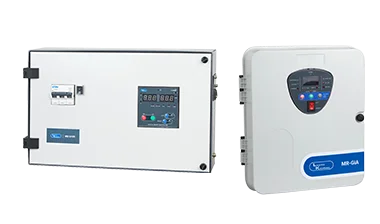
- Indicator Panel: Some systems include LED indicators or digital displays to show water levels and pump status.
When integrated with a submersible pump controller, the system becomes even more efficient, especially in deep borewell applications.
How Does a Water Level Controller Work?
The working principle of a water level controller is based on electrical conductivity or float-based sensing. When water touches the sensor probes at a specific level, it completes an electrical circuit, sending a signal to the control unit.
Here is a step-by-step explanation:
- Water level drops below the minimum mark.
- The lower-level sensor detects the absence of water.
- The control unit activates the pump.
- Water fills the tank.
- Once the water reaches the upper-level sensor, the control unit turns the pump off.
In advanced setups, a submersible pump controller ensures that the pump is also protected from dry running, voltage fluctuations, and overload conditions.
Types of Water Level Controllers
There are various types of water level controller systems available to suit different needs:
- Float-Based Controllers: These use a floating device that rises and falls with the water level.
- Conductivity-Based Controllers: These use probes that detect water through electrical conductivity.
- Ultrasonic Controllers: These measure water levels using sound waves and are commonly used in industrial applications.
- Smart Controllers: These offer digital displays, remote monitoring, and smartphone integration.
Choosing the right type depends on the size of the tank, the type of pump, and the intended application.
Role of a Submersible Pump Controller
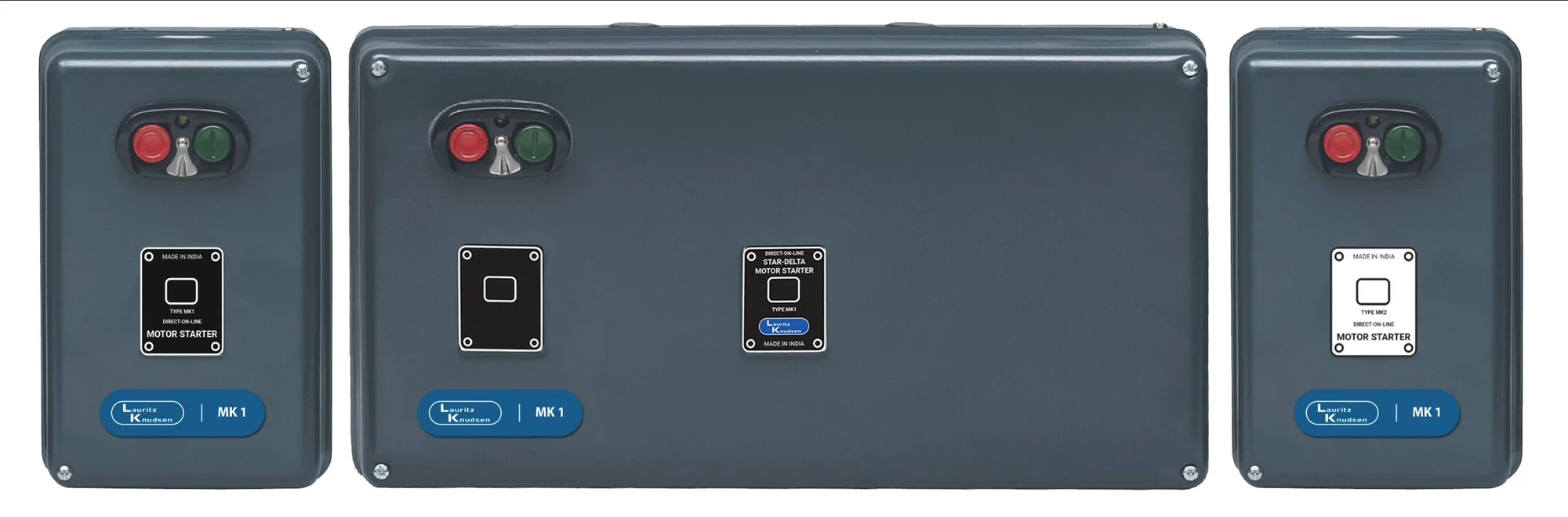
A submersible pump controller is specifically designed to manage and protect submersible pumps used in borewells or deep water systems. Since submersible pumps operate underwater, they require reliable monitoring to prevent damage.
This controller provides features such as:
- Dry Run Protection: Prevents the pump from operating without sufficient water.
- Overload Protection: Safeguards against excessive current draw.
- Voltage Protection: Protects the pump from fluctuations or phase failure.
- Automatic Operation: Works seamlessly with a water level controller to ensure a smooth water supply.
By combining a water monitoring system with a submersible pump controller, users can significantly extend pump lifespan and reduce maintenance costs.
Benefits of Using a Water Level Controller
Installing a water level controller offers several practical advantages:
- Prevents Water Overflow: Eliminates wastage caused by unattended tanks.
- Saves Electricity: Reduces unnecessary pump operation.
- Protects Pump Equipment: Minimizes wear and tear.
- Reduces Manual Effort: No need to constantly monitor tank levels.
- Ensures Consistent Water Supply: Maintains optimal storage levels at all times.
When paired with a submersible pump controller, these benefits become even more pronounced, particularly in rural and semi-urban areas where borewell systems are common.
Applications of Water Level Controllers
A water level controller is widely used in:
Residential Homes
Apartment Complexes
Commercial Buildings
Hospitals and Schools
Factories and Industrial Plants
Agricultural Irrigation Systems
In each of these environments, integrating a submersible pump controller ensures reliable performance and improved safety.
Installation and Maintenance Tips
Proper installation is crucial for effective performance. Sensors should be positioned accurately to detect the minimum and maximum water levels. Wiring connections must be secure and protected from moisture.
Routine maintenance includes checking sensor functionality, cleaning probes if required, and ensuring that the pump and controller are functioning correctly. Using high-quality equipment enhances reliability and longevity.
Conclusion
A water level controller is an essential solution for modern water management. By automatically regulating tank levels, it prevents overflow, conserves energy, and protects pumping systems. Its integration with a submersible pump controller adds an extra layer of safety by safeguarding against dry runs, overloads, and electrical faults.
Together, these technologies provide a smart and efficient approach to water supply management in homes, commercial spaces, and industrial facilities. For dependable and high-performance electrical and automation solutions, trusted brands like Lauritz Knudsen continue to deliver innovative products that support safe, efficient, and sustainable infrastructure systems.