Category: Tech

Stay updated with Technology News and Science-related Articles covering AI, cybersecurity, gadgets, software, and digital innovation shaping the future.

  • Why Every Forward-Thinking Clinic Is Upgrading to Smart Healthtech

    Why Every Forward-Thinking Clinic Is Upgrading to Smart Healthtech

    In the rapidly evolving world of healthcare, clinics face the constant challenge of providing high-quality patient care while managing operational efficiency. As patient expectations rise and the healthcare landscape becomes increasingly digital, forward-thinking clinics are turning to smart healthtech to stay ahead. But what exactly is smart healthtech, and why is it becoming indispensable for modern healthcare providers?

    Understanding Smart Healthtech

    Smart health technology refers to the integration of advanced technologies, such as Artificial Intelligence (AI), Internet of Things (IoT), cloud computing, and electronic health record (EHR) systems, into healthcare operations. These solutions are designed not only to improve patient outcomes but also to streamline workflows, enhance data management, and enable predictive analytics. Smart healthtech transforms traditional clinics into data-driven, patient-centric hubs.

    Unlike conventional healthcare software that simply stores patient information, smart healthtech actively analyzes data to provide actionable insights. From AI-powered diagnostic tools to automated appointment scheduling systems, the scope of smart health technology encompasses almost every aspect of clinical operations.

    Improving Patient Experience

    Patient experience has emerged as a key differentiator for healthcare providers. Smart healthtech enhances patient satisfaction in multiple ways. For example, AI-driven chatbots allow patients to schedule appointments, receive reminders, and ask basic health questions without waiting on hold. Similarly, digital check-ins reduce waiting times, giving patients a seamless start to their visits.

    Wearable devices and remote monitoring systems also allow clinics to track patient health in real-time. This means that patients can receive timely interventions for chronic conditions, reducing hospital readmissions and fostering trust between patients and healthcare providers.

    Enhancing Diagnostic Accuracy

    Diagnostic errors remain a significant concern in healthcare. Smart healthtech addresses this challenge by integrating AI and machine learning into diagnostic processes. AI algorithms can analyze imaging results, lab reports, and patient histories with remarkable accuracy, often detecting patterns that may elude human observation.

    For instance, AI-assisted radiology tools can highlight potential anomalies in X-rays or MRIs, helping radiologists make faster and more accurate diagnoses. Similarly, predictive analytics can flag patients at risk of developing certain conditions, enabling early intervention and preventive care.

    Streamlining Clinic Operations

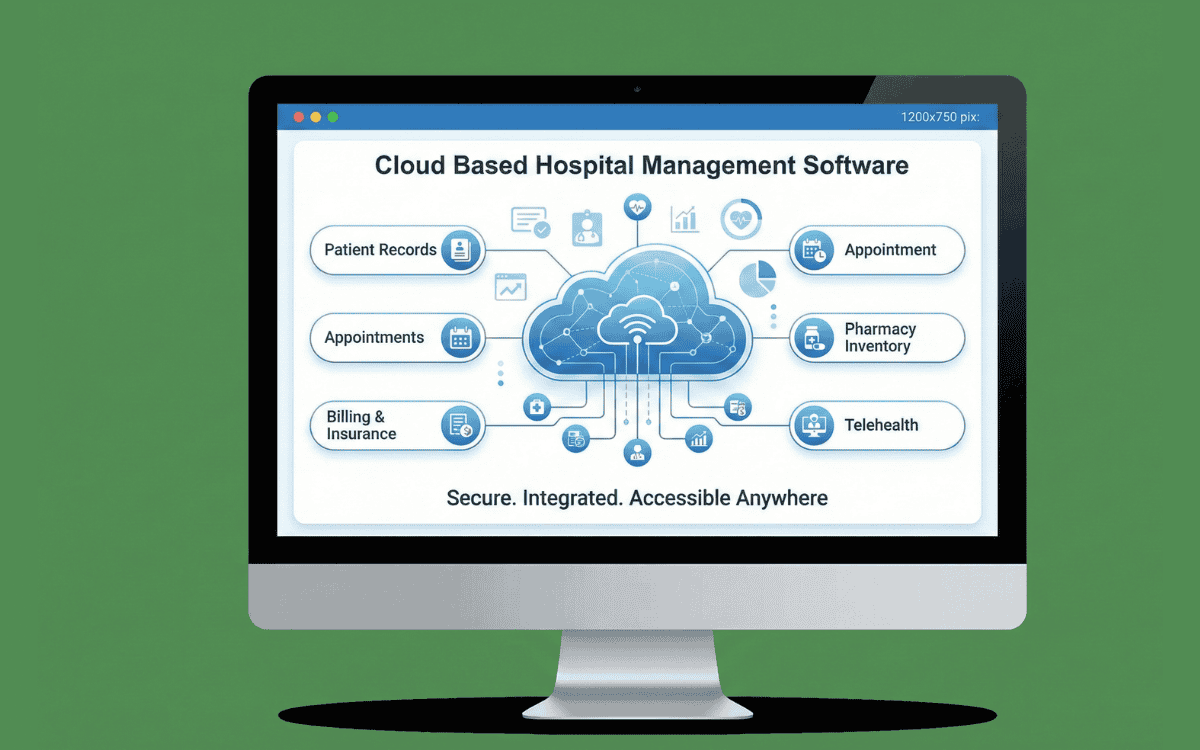
    Operational efficiency is crucial for any forward-thinking clinic. Smart healthtech solutions automate repetitive tasks, such as patient registration, billing, and inventory management, freeing up staff to focus on patient care. Cloud-based health management systems allow clinics to store and access patient records securely from anywhere, reducing paperwork and minimizing errors.

    Moreover, analytics dashboards provide clinic managers with real-time insights into resource utilization, appointment trends, and staff performance. This data-driven approach ensures that clinics can optimize workflows, reduce bottlenecks, and make informed decisions quickly.

    Enabling Telehealth and Remote Care

    The COVID-19 pandemic accelerated the adoption of telehealth, and smart healthtech has made remote care more effective than ever. Virtual consultations, remote diagnostics, and mobile health apps enable clinics to extend care beyond physical walls. Patients in rural or underserved areas can now access high-quality healthcare without traveling long distances, bridging gaps in healthcare accessibility.

    Smart healthtech also allows clinicians to monitor patients remotely using connected devices. Blood pressure monitors, glucose meters, and wearable fitness trackers can send real-time data to clinic systems, allowing doctors to intervene promptly when necessary. This proactive approach not only improves patient outcomes but also reduces healthcare costs in the long run.

    Strengthening Data Security and Compliance

    Handling sensitive patient information requires strict adherence to data privacy regulations such as HIPAA. Smart healthtech platforms are equipped with robust security features, including encryption, multi-factor authentication, and role-based access controls. Cloud based hospital management software also provides regular backups and disaster recovery options, ensuring that patient data remains secure and accessible even during unforeseen events.

    Furthermore, smart healthtech facilitates compliance by automatically generating audit trails, maintaining accurate records, and ensuring that all procedures follow regulatory guidelines. This reduces the risk of legal complications and strengthens the clinic’s reputation for responsible care.

    Preparing for the Future

    Healthcare is evolving rapidly, and clinics that fail to adapt risk being left behind. Forward-thinking clinics are recognizing that smart healthtech is not just a tool but a long-term strategy for sustainability and growth. By embracing technology, clinics can improve patient satisfaction, enhance diagnostic accuracy, optimize operations, and stay competitive in a crowded market.

    Investing in smart healthtech also opens the door to innovation. AI-driven research, predictive modeling, and personalized medicine are all more feasible when clinics have access to accurate, real-time data. Clinics that adopt these technologies today are positioning themselves as leaders in tomorrow’s healthcare ecosystem.

    Conclusion

    The integration of smart healthtech in clinics is no longer optional it is essential for forward-thinking healthcare providers. From improving patient experience and diagnostic precision to streamlining operations and enabling remote care, the benefits are extensive and measurable. Clinics that invest in these technologies not only enhance their service quality but also future-proof their operations in an increasingly digital healthcare environment.

    As healthcare continues to evolve, smart healthtech represents the bridge between modern medicine and patient-centric care. Forward-thinking clinics are upgrading not just to keep pace with technology but to redefine the standards of healthcare delivery ensuring better outcomes for patients and greater efficiency for healthcare providers.

  • Web & Art Design Solutions that Deliver Results

    Web & Art Design Solutions that Deliver Results

    In today’s fast-paced digital world, your website is more than just an online presence it’s the foundation of your brand identity. Businesses in Dubai are increasingly investing in professional web design to stand out in a highly competitive market. That’s where RedSpider Web & Art Design, a leading name in Web Design Dubai, comes into play.

    With a perfect blend of creativity, innovation, and technology, RedSpider Web & Art Design delivers websites that are not only visually appealing but also strategically designed to generate leads and drive conversions.

    About RedSpider Web & Art Design

    Founded with a mission to redefine digital creativity, RedSpider Web & Art Design has established itself as one of the most trusted names in Web Design Dubai. The company is known for delivering custom web design, branding, graphic design, and digital marketing services tailored to meet each client’s unique business goals.

    A Legacy of Creativity and Innovation

    At RedSpider, creativity meets functionality. The team believes that web design is not just about aesthetics but about creating an immersive experience that reflects a brand’s values. Every project undertaken by RedSpider Web & Art Design goes through an in-depth creative process — from research and planning to execution and optimization ensuring that every pixel serves a purpose.

    Comprehensive Digital Solutions

    RedSpider offers a complete suite of web design and development services, including:

    • Custom website design and development
    • E-commerce website solutions
    • UI/UX design
    • Branding and logo design
    • Corporate identity design
    • Website maintenance and support
    • SEO and digital marketing integration

    This holistic approach makes RedSpider Web & Art Design the preferred partner for businesses looking for end-to-end Web Design Dubai solutions.

    Why Choose RedSpider Web & Art Design for Web Design in Dubai

    Dubai is home to a competitive digital landscape where every business strives for attention. RedSpider Web & Art Design stands out because of its customer-first philosophy, innovative design thinking, and proven track record of successful digital transformations.

    Here are the key reasons businesses trust RedSpider:

    1. Tailored Design Strategy

    Each business is unique — and so should be its website. RedSpider takes the time to understand the client’s objectives, audience, and industry before crafting a personalized web design strategy. This ensures the final design not only looks stunning but also performs seamlessly.

    2. Focus on User Experience (UX)

    User experience lies at the heart of every design. The expert designers at RedSpider Web & Art Design create intuitive, user-friendly interfaces that guide visitors effortlessly, improving engagement and conversion rates.

    3. Mobile-First and Responsive Designs

    In an era where mobile browsing dominates, RedSpider ensures that every website is fully responsive and optimized for all devices. The company’s mobile-first approach guarantees a smooth experience across smartphones, tablets, and desktops a must for businesses seeking success in Web Design Dubai.

    4. SEO-Optimized Websites

    A visually stunning website is only valuable if it can be found. RedSpider integrates SEO best practices into every stage of the design and development process, ensuring your website ranks higher in search results and attracts organic traffic.

    5. Integration of Latest Technologies

    RedSpider leverages cutting-edge ai tools and technologies, including HTML5, CSS3, JavaScript, WordPress, and e-commerce platforms like Shopify and WooCommerce. This ensures your website is fast, secure, and future-ready.

    6. Dedicated Support and Maintenance

    Building a website is just the beginning. RedSpider provides ongoing support and maintenance to ensure websites remain updated, secure, and high-performing — a vital element in maintaining a strong online presence in Dubai’s dynamic market.

    Services Offered by RedSpider Web & Art Design

    1. Custom Web Design

    Every website designed by RedSpider reflects a brand’s identity. Whether you are a startup or a well-established enterprise, your designers create websites that tell your story and resonate with your target audience.

    2. E-Commerce Website Development

    E-commerce in Dubai is booming, and RedSpider ensures your business doesn’t miss out. From product catalog management to secure payment integration, their e-commerce web design Dubai solutions help businesses sell smarter and faster online.

    3. Corporate Website Design

    For corporate clients, RedSpider focuses on professionalism and functionality. They build elegant and performance-driven corporate websites that establish authority, credibility, and trust among potential clients.

    4. UI/UX Design

    RedSpider’s UI/UX design team specializes in crafting seamless digital experiences. Through meticulous design and testing, they create websites that are both visually stunning and easy to navigate — essential for high user engagement.

    5. Logo and Branding Solutions

    A strong brand starts with a memorable logo. RedSpider’s creative team designs logos that capture the essence of your business, establishing a consistent and professional brand identity.

    6. Web Development and CMS Integration

    RedSpider Web & Art Design integrates content management systems like WordPress, Joomla, and Drupal, empowering clients to manage their websites effortlessly.

    7. Website Maintenance

    Keeping your website updated is crucial for long-term success. RedSpider provides reliable maintenance services, ensuring optimal website performance and security round the clock.

    How RedSpider Web & Art Design Delivers Results

    Step 1: Research and Strategy

    The process begins with understanding your brand, target audience, and goals. RedSpider’s team conducts in-depth market analysis and competitor research to build a results-driven strategy.

    Step 2: Design and Development

    Once the strategy is in place, the creative process begins. RedSpider’s designers craft visually appealing layouts, while developers ensure robust performance, responsiveness, and functionality.

    Step 3: Content and Optimization

    Content plays a crucial role in effective web design. The RedSpider team integrates high-quality, SEO-optimized content to enhance visibility and engagement.

    Step 4: Testing and Launch

    Before going live, the website undergoes rigorous testing for performance, speed, and compatibility. Once approved, it’s launched with seamless deployment.

    Step 5: Continuous Improvement

    RedSpider believes in long-term partnerships. After launch, the team continuously monitors analytics and user feedback to refine and enhance the website’s performance.

    Client Reviews: What Businesses Say About RedSpider Web & Art Design

    RedSpider Web & Art Design has earned glowing reviews from businesses across Dubai and beyond. Clients appreciate the company’s attention to detail, commitment to excellence, and innovative approach.

    “RedSpider completely transformed our online presence. Their creativity and technical expertise made our website both beautiful and functional.”
    Ahmed R., CEO of a Dubai-based Real Estate Firm

    “From branding to web design, RedSpider delivered exceptional results. Our website’s traffic and engagement have grown significantly.”
    Sara M., Marketing Director, E-commerce Brand

    “Professional, reliable, and innovative — RedSpider is our go-to partner for all digital design needs.”
    Hassan A., Founder, Tech Startup Dubai

    These testimonials highlight RedSpider’s ability to deliver measurable results and build long-lasting client relationships.

    Branding Excellence: More Than Just Web Design

    At RedSpider Web & Art Design, branding is at the core of every project. The company doesn’t just create websites — it builds brands that connect emotionally with audiences.

    Their branding services include:

    • Logo design and brand identity development
    • Brand strategy and positioning
    • Visual storytelling and graphic design
    • Social media branding and digital assets

    By combining artistic creativity with strategic thinking, RedSpider Web & Art Design helps businesses establish a consistent and memorable digital footprint.

    The RedSpider Advantage: Setting New Benchmarks in Web Design Dubai

    1. Proven Industry Experience

    With years of experience, RedSpider understands the nuances of Dubai’s digital market, helping clients achieve a competitive edge.

    2. Client-Centric Approach

    Every project is approached with the client’s vision in mind. The team values collaboration and transparency at every step.

    3. Award-Winning Creativity

    RedSpider’s portfolio includes award-winning designs recognized for innovation, visual appeal, and performance.

    4. End-to-End Digital Support

    From design to digital marketing, RedSpider provides complete solutions under one roof, making it a one-stop destination for all web and branding needs.

    RedSpider Web & Art Design: Reviewed & Trusted by Businesses

    RedSpider’s consistent quality and customer satisfaction have earned it a reputation as one of the best Web Design Dubai companies. Clients trust the brand not only for web design but also for their integrity, professionalism, and long-term support.

    The company’s success lies in its ability to blend artistry with strategy — ensuring that every website is not only visually striking but also business-oriented. This perfect balance is what keeps RedSpider ahead of the competition.

    Conclusion: Partner with RedSpider Web & Art Design for Exceptional Web Design Dubai

    In an era where first impressions are made online, investing in professional web design is not optional — it’s essential. RedSpider Web & Art Design stands as a beacon of creativity, innovation, and reliability in the world of web design in Dubai.

    Whether you’re a startup seeking a powerful digital launch or an established enterprise looking to revamp your online presence, RedSpider provides the expertise and passion needed to elevate your brand.

    With a commitment to excellence, cutting-edge technology, and client satisfaction, RedSpider Web & Art Design continues to set benchmarks in Dubai’s web design industry — delivering results that truly matter.

  • Choosing the Best G Suite to Office 365 Migration Tool for Your Business

    Choosing the Best G Suite to Office 365 Migration Tool for Your Business

    Businesses migrate from Google Workspace to Office 365 to get access to advanced security, threat protection, innovative features, and so much more. Office 365 not just provides you effective features, but it also helps you stay organized and never miss a deadline. With the advanced collaboration tool like SharePoint, chat and video conferencing app Teams, and the Microsoft Planner, it’s an all-in-one solution to target productivity. The success of a migration process resides within the right solution and choosing a migration tool is the ideal choice. However, the real struggle is finding the best G Suite to Office 365 migration tool for your business.

    Factors that affect the migration tool choice

    Here are some significant factors that affect the decision of selecting the tool for migrating the data:

    Supported data types

    The tool that one chooses to migrate the Google Workspace should support a wide variety of data stored within the source environment. Check if it allows migrating everything, including emails, contacts, calendars, permissions, metadata, folder structure, etc. Do not go for tools that migrate only emails and not contacts, calendars, or other data.

    Scalability 

    An efficient migration tool is the one that fulfills your current business requirements as well as ready to accommodate future business growth. It is always wiser to invest in a tool that provides long-term advantages and takes care of what your business is actually looking for.

    Error handling

    If you select a G Suite to O365 migration tool that faces complications in handling the scenarios of errors and crashes, your migration project can fail terribly. It also puts your business data at risk of permanent loss. Therefore, do a bit of research and consider a tool that effortlessly handles all situations.

    User interface and operability

    User interface is very important, as if it’s confusing, the users might find it difficult to navigate and transfer the data. Your migration solution should have a user-centric design, providing easy operability.

    Automated migrations

    You would never want to migrate during the peak business hours, as this can hamper productivity due to errors and migration failure. This is why it’s crucial to see if the tool allows you to schedule migrations for later according to your convenience.

    How to pick the best G Suite to Office 365 migration tool?

    To find a reliable and trustworthy migration solution, here is what you can do:

    • Determine what you’re looking for: Before picking the tool, you need to find out what your business requirements are. Identify the data volume, number of users, and the complexity of permissions involved.
    • Look for the best vendors: There are so many companies claiming to be the best at providing a Google Workspace to Office 365 migration solution. Compare reviews, client testimonials, their experience, and the offered features in the tool.
    • Check out free trials: Most of the migration solutions support a free trial version. Download and use the solution for a few days to see what the tool has to offer and how it is different from others.
    • Consider integrated features: Check out the offered features of the tool to see how will it help your business achieve the objectives. You can look for the features, such as incremental migration, bulk transfer, data filters, automated processes, etc.
    • Support and maintenance: Never purchase a migration tool from the vendor that doesn’t allow post-purchase support. Sometimes, there are issues after the purchase, and vendors that don’t deliver support won’t help you out even if there’s an error during the migration.

    Consider these tips to pick a suitable migration tool that helps your business advance towards progress and productivity.

    Conclusion

    Based on the factors and guides mentioned above in this article, you can smoothly transfer data from Google Workspace to Microsoft 365. However, it’s common to be confused when selecting the right one due to so many solutions out there. We suggest that you use the Kernel Google Workspace to Office 365 migration solution, which is a renowned tool. It is prominent for its broad compatibility with different OS, migrating mailboxes, supporting easy user mapping, live migration monitoring, and a lot more. Additionally, it also migrates Google Chat and Spaces from G Suite to Teams within Microsoft 365.

    Read more blogs: Moz Blogger

  • What Does Density Do in Minecraft

    What Does Density Do in Minecraft

    Minecraft blocks seem simple at first glance. You place them, build with them, and watch your world take shape. But there’s more to these cubes than meets the eye. Density in Minecraft plays a key role in how the game runs, from player movement to complex machines. It affects performance and even tricky redstone setups. This article breaks down what density means for blocks, fluids, and entities. You’ll learn how it shapes gameplay and tips to use it wisely.

    Understanding Block Density: Defining the Core Concept

    Density in Minecraft isn’t a term the game spells out in menus. It refers to how blocks interact with the world through their shape, size, and how the engine handles them. Think of it as the “weight” a block carries in calculations for collisions and updates.

    In Java and Bedrock editions, density ties to a block’s collision box. This invisible shape decides if you can walk through it or bump into it. Full blocks like stone fill a whole space, while slabs or glass panes take up less room. That difference changes everything from mob paths to arrow flights.

    Collision Volume and Hitbox Calculations

    A block’s collision box sets its density for interactions. Full blocks have a 1x1x1 hitbox, making them solid walls. Partial ones, like stairs, cover only half the space. You feel this when climbing stairs let you step up easier than a full block.

    Mobs navigate based on these boxes too. A dense area of full blocks blocks their way, forcing detours. Projectiles like arrows curve around partial blocks differently. For example, shooting through fence gaps works because their thin hitboxes leave open paths.

    In builds, this matters for traps or paths. Use low-density blocks like slabs to create walkways that mobs ignore. It saves space and adds clever design.

    Computational Load and Ticking Speed

    High density means more work for the game. When many blocks pack into one chunk, the engine checks them all each tick. Ticks happen 20 times a second, so lag spikes if density overwhelms it.

    Servers track TPS, or ticks per second. Dense redstone farms or entity crowds drop TPS below 20. Single-player worlds see FPS dips from rendering packed areas.

    World generation keeps density in check. It spreads features like trees to avoid overload. You can mimic this by spacing out complex parts in your builds.

    Material Composition vs. Mechanical Density

    A block’s look doesn’t always match its density. Gold and stone both act as full solids in the engine. Their material just changes mining time or blasts resistance.

    Wood planks and iron blocks share the same collision rules. Only special cases differ, like sand that falls under gravity. Density here is about engine math, not real-world weight.

    This split lets you swap blocks without breaking mechanics. Pick cheap stone over rare gold for dense walls—same effect, less grind.

    Density’s Influence on Redstone Circuitry and Logic Gates

    Redstone thrives on block placement. Density alters how signals travel and power up. A small change in block type can fix or ruin a circuit.

    You see this in compact designs. Dense packing squeezes more logic into less space. But push it too far, and signals glitch.

    Quasi-Connectivity and Non-Standard Activation

    Quasi-connectivity tricks redstone in Java Edition. A block above an air gap can power dust below it. It’s like the game sees through the gap based on density.

    Observers catch this best. Place one facing up, with a solid block overhead—it activates even with air in between. Pistons push based on this too.

    Use it for hidden wires. Run dust under floors without direct links. Just ensure the upper block has full density, like dirt or wood.

    Piston Push Limits and Block Stacking

    Pistons push up to 12 blocks. Density decides what counts in that chain. Movable blocks like dirt slide easy, but obsidian stops them cold.

    In slime block machines, stack low-density items for longer trains. Flying machines glide farther with light loads. Dense barriers, like bedrock, halt everything.

    Test stacks carefully. Mix in immovable blocks to control pushes. This builds swaps or sorters that run smooth.

    Conduction Through Partial Blocks

    Redstone dust behaves odd on slabs or plates. It connects sideways but not always up. Low density creates gaps in power flow.

    Place dust on a slab it powers adjacent full blocks fine. Pressure plates add triggers without extra space. This compacts clocks or doors.

    Tip: Use upside-down slabs for under-floor runs. Dust ignores the half-height, saving vertical room. Experiment in creative mode first.

    Gravity, Fluid Dynamics, and Environmental Density Simulation

    Minecraft fakes physics with simple rules. Density shows up in falls, flows, and spawns. It keeps the world feeling alive without real math.

    Blocks and fluids react to “weight” in code. This drives farms and natural events.

    Sand and Gravel: The Only True ‘Falling’ Blocks

    Sand and gravel fall if unsupported. A block below holds them; air triggers the drop. Density here means their active state falling counts as changing.

    Place a torch under sand to stop it. This creates hanging shapes for art or traps. In caves, falls reveal ores.

    Farms use this for grinders. Drop sand on mobs from high density stacks. It crushes without entity rules.

    Water and Lava Flow Mechanics

    Water spreads from source blocks. Full volume fills fast partial slows it. Density acts like fluid amount in the block.

    Lava flows farther in open air. Source blocks need two above to stay full. This sets up infinite pools.

    In farms, control flow with slabs. Low-density edges contain spills. Big builds need planned density to avoid floods.

    Entity Density and Mob Spawning Optimization

    Mobs spawn where light stays low. High entity density caps rates too many in one spot blocks new ones.

    Grinders pack mobs tight for XP. But the game checks space per entity. Overcrowd, and spawns halt.

    Optimize with dark rooms spaced out. Use water streams to funnel without piling up. This keeps density balanced for max drops.

    Practical Optimization: Managing Density for Performance

    Lag ruins fun in big worlds. Smart density cuts it. Focus on loaded areas and block choices.

    Servers and solo players both benefit. Small tweaks yield big gains.

    Chunk Loading Strategies and View Distance

    Chunks load around you. High-density machines in far chunks still tick if linked. Set view distance low to unload them.

    For servers, use plugins to lazy-load. Keep clocks off-screen silent. This holds TPS steady.

    Walk your base note lag spots. Spread redstone over chunks. It eases the engine’s load.

    Choosing Efficient Block Types for Large Builds

    Full cubes render quick. Complex ones like leaves slow things. Stick to basics for walls and floors.

    Avoid transparent spam in hubs. Glass panes add style but spike density. Swap for solid colors where speed counts.

    In megabases, test renders. Tools like Chunky pregen chunks. Pick low-poly blocks for peace.

    Utilizing Tick Speed Control for Large-Scale Automation

    Admins tweak configs in Spigot or Paper. Cut entity distances to thin crowds. It manages density without rebuilds.

    Default tick speed fits vanilla. Slow it for farms; speed risks crashes. Balance keeps automation humming.

    • Monitor with /tps command.
    • Adjust mob caps per world.
    • Test changes on backups first.

    Conclusion: Mastering Minecraft’s Hidden Physics Layer

    Density shapes Minecraft from basics to builds. It drives collisions, redstone quirks, gravity tricks, and performance. Grasp it, and you turn simple games into engineering wins.

    Redstone flows smoother, farms run faster, and worlds load clean. Next time you place a block, think of its hidden weight. Dive in build that machine and see density at work. Your Minecraft just got deeper.

    Minecraft Density Enchantment – FAQs

    1. What does Density do in Minecraft?

    Density is an enchantment that increases the damage a weapon deals based on the falling speed or downward momentum of the player or weapon.

    2. What does the Density enchantment do in Minecraft?

    Density boosts melee damage when attacking during a fall or downward movement. The faster you are falling, the more damage you deal.

    3. What does Density 4 do in Minecraft?

    Density IV provides a higher damage boost than the lower levels, making your falling attacks significantly stronger.

    4. What does Density 3 do in Minecraft?

    Density III offers a moderate increase in damage, giving a noticeable boost when attacking while falling but less than Density IV.

  • Key Features Behind a Successful Enterprise Mobile App

    Key Features Behind a Successful Enterprise Mobile App

    With technology moving at such a fast rate, a key question still stands what do businesses need the most? From profit to customer satisfaction and even growth, everything is crucial. Businesses must consider developing an app for cybersecurity and AI. An enterprise app can do wonders for businesses. 

    To stay ahead in a competitive market, businesses need to improve efficiency. They should also seek new ways to grow revenue. Study suggests that around 4.69 billion people will use smartphones in 2025. This number is only expected to grow further. Thus, teaming up with an enterprise mobile app development company is key. They help you add the best features. 

    Enterprise Mobile App An Overview

    Enterprise mobile apps, as the name suggests, are apps developed for an enterprise-sized firm. These apps are designed to fit the specific business’s needs. The enterprise apps will be made available on the required platforms once it is ready. 

    Enterprise mobile app users are usually the company’s employees. This helps to streamline the corporate flow among all. These apps aren’t like regular apps for individual users. Instead, these are built for the company. Even partner members or clients can use these apps for communication purposes. 

    It is incredibly crucial for these enterprise apps to have the right features as per the business’s needs. Some of the top enterprise mobile apps include Salesforce CRM, HubSpot CRM, and so on. 

    Top Features to Include in a Successful Enterprise Mobile App

    An enterprise mobile app development company can guide you on the best features to make your business successful. Some of the top ones to integrate for increasing recognition include

    High Security and Data Protection

    The enterprise mobile apps handle a lot of sensitive data. Therefore, robust security and data protection are a must-have feature in them. It generally holds a mix of data types, employee data, customer data, and proprietary processes. One single breach into the app can compromise the security of all data. 

    Failing to ensure proper security can leave the enterprise app open to threats. Cybersecurity threats are rising every day. Therefore, businesses need to focus on robust protection for their mobile apps. Not only is it essential for companies to encrypt the app, but it is also essential to encrypt the conversation. The top enterprise mobile app development company uses end-to-end encryption. It has role-based access control, secure APIs, and multi-factor authentication.

    Easy Integration with Different Systems 

    Businesses today use many platforms, like CRMs and finance management tools, and more. If these programs aren’t linked, they’ll work in isolation. This will harm efficiency. Communication gaps and duplicate work can cause friction. 

    An enterprise mobile app development company steps in to prevent situations like these. The enterprise mobile app serves as a connecting hub, creating a smooth, seamless flow for businesses. An enterprise mobile app is usually built using custom APIs. This helps to connect all the functions and ensure seamless working. As a result, there’s no need to update the records manually. 

    Real-time Analytics and Reporting

    Real-time analytics is highly crucial for businesses of all sizes. Therefore, an enterprise mobile app development company prioritizes real-time analytics and reporting. Not creating weekly reports on the business might impact efficiency. An enterprise mobile app keeps track of warehouse tasks and manages work requests.

    These apps often include reporting tools that collate the real-time information. The apps include predictive analytics and insights that are push-driven. This feature helps capture all the data. These mobile apps can also increase user-level visibility. So, it will assist businesses in making very specific decisions. 

    Great UI/UX Design

    A good UI/UX design is one of the major requirements for an enterprise mobile app. The users will find it challenging to navigate through the complex apps. Therefore, a good UI/UX design should be one of the most essential business strategies. 

    The enterprise mobile app development company focuses on user-centered designs. It comes with consistent experience across all the platforms. Furthermore, such apps are also easier to navigate for users. An easy-to-use app for your employees means less training is needed. This ensures faster adoption into the business.

    Cross-platform Compatibility 

    Cross-platform compatibility goes a long way in boosting business functions. The app works well on both iOS and Android devices if it is cross-platform compatible. This keeps things running smoothly and makes business easier. 

    It’s important to ensure that everything works the same on all platforms. It should be easy to use on tablets and mobiles. Cross-platform compatibility makes it easy to sync your cloud data on different devices. A responsive UI/UX is essential for working across platforms.

    Conclusion

    An enterprise mobile app is a total game-changer for businesses. Do not only consider scalability, but also the features that would drive growth. Partnering with the right enterprise app development company, like Owebest, can bring a change to your business. The experts will add top features to your enterprise-grade app. This will help users adopt it faster. Owebest is ideal for modernizing your business or providing convenience to employees. They excel in enterprise mobile app development. Thus, connect with experts to get the best results.

  • Microsoft 365 Security Practices Every Business Should Follow  

    Microsoft 365 Security Practices Every Business Should Follow  

    Due to a high rise in remote work, many SMEs and businesses prefer to shift to a secure and productive cloud-based platform. Microsoft 365 is one of the most popular because of its enhanced productivity and collaboration capabilities. But the threat of cyberattacks has become a major issue.  

    For organizations, keeping their crucial data safe has become the biggest concern, and every organization should prioritize data security to prevent breaches and protect digital assets. In this blog post, we’ll cover everything from why security practices are necessary to important security practices you need to follow. Let’s get started now!

    Why Are Security Practices Important to Follow?

    Security practices help every Microsoft 365 user to prevent their data potential loss. They are just like guards that keep your important data safe. Below are some common reasons why security practices are important:

    • Data Protection: Protects critical company information and assets from cyberattacks and breaches.
    • Avoid unauthorized breaches: Having security practices in place helps maintain a reputation with strong security features.
    • Detect insider threats: Setting up security practices helps detect insider risks and threats.
    • Employee Protection: These security policies also ensure employee safety and security of the physical location. These are designed to protect the rights of employees. 

    Important Security Practices that Organizations Should Follow

    According to Varonis’ data security report, more than 30,000 websites are hacked every day. Another shocking data is that by 2023, the number of malware attacks worldwide is expected to reach 6.06 billion. These reports clearly state that even the data of big MNCs is not safe unless strict security guidelines are followed.

    Therefore, it is important for the organization to take security seriously to avoid losing important data. Understanding the need for a strong security policy helps the entire organization avoid major losses. Here we have listed the essential practices to follow.

    1. Enable Multi-Factor Authentication

    Enable MFA, also known as two-step verification, to prevent unauthorized access. This step may be the best precaution for extra protection for high security accounts. Therefore, require MFA for all users so that even if the password is stolen, no unauthorized user can access the data without entering the code.

    2. Backup and Recovery Planning

    It’s important to regularly back up all your data and store it in a safe place to prevent data loss, damage, or corruption. For businesses of all sizes, implementing a rigorous data backup and recovery plan can reduce costs, mitigate cyber risk, maintain customer trust, and protect a company’s reputation. Follow the 3-2-1 backup rule to back up your data. This rule suggests that you make 3 copies of your data, store them on 2 different types of storage media, and save 1 copy in a completely offsite location.

    3. Software Up-to-Date

    Keeping software up-to-date is also a good security practice in Microsoft 365. It’s a simple yet effective way to protect your business from cyber threats and receive test updates, reminders, and more. This practice will make your software faster and more reliable. 

    4. Protect your Data from Phishing Attacks

    With the increasing need for digitization, phishing attacks are one of the most common attacks nowadays. Therefore, it is very important to implement email security, MFA, anti-phishing technology, secured web gateways, team education, regular system updates and security checkups. It helps IT professionals protect business and personal data from unauthorized access and malware attacks.

    5. Audit Your Office 365 Environment

    With the help of the audit log, it is easy to detect all kinds of activities, such as unusual login times or accessing the data file from an unfamiliar location. It can ensure quick action if any suspicious thing is found. Daily checkup of audit logs is healthy for the 365 environment, thereby improving overall security posture.

    6. Team Awareness Training 

    It is important to educate the team members quarterly, and a professional security team should lead this. In training, employees must be aware of where and how to access the data, avoid phishing attacks or malicious links, identify suspicious emails, and not share personal details or company data on fake pages.

    7. Implement a Strong Password Policy

    Implementing a strong password is the first step towards security, helping your business feel confident in its defenses. Using a password policy is essential for companies, such as restricting passwords to their names or reusing passwords, which are easy to hack. So, the password must be a combination of special symbols, numbers, the alphabet, etc., and use a password manager to avoid human error.

    8. Create Data Loss Prevention Policy

    Businesses handle sensitive data like customer information and financial records. Protecting this critical data is a vital role for them. Therefore, the Data Loss Prevention policy will help you contribute to data security, encrypt data, and store it securely in the cloud or on any device. This policy should be implemented immediately for safety.

    9. Use a Separate Admin Account

    Using a separate admin account is also a good practice. This helps you feel responsible for security. Using different accounts for installing software, configuring the system, and managing user accounts helps in maintaining a secure environment. This practice will reduce the risk, limit access, enhance security, and improve accountability.

    Most Used Professional Tool For Backup and Security Purposes!

    Native solutions are effective for backing up data in small volumes. But when it comes to securing data on a large scale, using a professional Office 365 backup tool will be the best approach. Automated solutions like Kernel Office 365 Backup easily integrate with existing security measures to ensure comprehensive data protection and compliance with standards. Some of its main features are mentioned below that can help you to differentiate it from other tools in the market easily. 

    • Back up emails, contacts, attachments, and calendars with ease, leaving no data behind.
    • Restore items, folders, or the entire mailbox in a matter of minutes in case of data loss.
    • Split the large mailbox into small chunks using the PST split feature.
    • Automate the backup and restore to minimize downtime.
    • It is cost-effective and offers a free trial version with 24/7 support.  

    Conclusion 

    Security practices are essential for every business in order to protect their data. Whether you’re taking a backup or migrating your Office 365 data, it’s necessary to employ the best practices, such as using a reliable migration tool. For SharePoint in particular, using a professional SharePoint migration tool is the best option. Here, we have discussed all the important practices that businesses can use to keep their Office 365 data secure. You can implement them in your organization to save valuable assets. Along with that, check out the recommended solution to make the comprehensive backup and granular data restore process smooth. It is a perfect tool that offers easy management and high security within budget. 

  • A Simple Guide to White Label Crypto Wallet Development

    A Simple Guide to White Label Crypto Wallet Development

    Cryptocurrency adoption is growing at lightning speed. Every day, millions of people are buying, trading, and storing digital assets, and businesses are quickly realizing the potential of offering crypto wallet solutions. But building a wallet from scratch can be time-consuming and expensive. That’s where white label crypto wallet development comes in as a ready-made, customizable solution that helps you launch a secure and feature-rich wallet in record time.

    In this blog, let’s dive into what a white label crypto wallet is, how it works, and why it’s the smartest choice for businesses entering the crypto space.

    What Is a White Label Crypto Wallet?

    A white-label crypto wallet is a pre-built software solution that can be rebranded, customized, and launched under your company’s name. It allows users to securely store, send, and receive cryptocurrencies without having to develop the wallet from scratch.

    These wallets are developed by specialized blockchain companies that provide the core technology, security features, and infrastructure, while you add your brand identity and desired functionalities.

    Think of it as buying a fully functional crypto wallet “template” that you can modify, add new features to, and make completely yours.

    Why Businesses Are Choosing White Label Wallets

    Developing a wallet from scratch can take months (or even a year), requiring large development teams and significant investment. A white label crypto wallet, on the other hand, offers a faster and more affordable way to enter the market.

    Here’s why businesses prefer it:

    1. Faster Launch Time: Pre-built architecture lets you go live within weeks.
    2. Cost-Effective: No need to spend thousands on coding and testing from scratch.
    3. Custom Branding: You can launch a wallet with your own name, logo, and theme.
    4. Proven Security: Built-in multi-layer security features are already tested.
    5. Ongoing Support: You get technical support and regular updates from the provider.

    Whether you’re a startup or an established exchange, white label wallet solutions help you focus on growth instead of backend complexities.

    Key Features of a White Label Crypto Wallet

    A professional white label crypto wallet development company integrates all the essential features users expect today. Here are some must-have ones:

    • 1. Multi-Currency Support

    Support for popular cryptocurrencies like Bitcoin (BTC), Ethereum (ETH), Litecoin (LTC), and stablecoins like USDT or USDC.

    • 2. Advanced Security

    Includes encryption, two-factor authentication (2FA), multi-signature, and biometric verification to keep users’ assets safe.

    • 3. User-Friendly Interface

    Designed for both beginners and experts with simple navigation, intuitive dashboards, and smooth transaction experiences.

    • 4. Backup and Recovery

    Allows users to restore wallets using private keys or seed phrases in case of device loss.

    • 5. Cross-Platform Access

    Available on web, mobile (iOS/Android), and desktop for maximum convenience.

    • 6. QR Code Scanner

    Makes transactions quicker and eliminates manual address entry errors.

    • 7. In-App Exchange

    Users can swap tokens directly within the wallet without switching to an exchange.

    • 8. Push Notifications

    Keeps users informed about incoming/outgoing transactions and market updates.

    Benefits of White-Label Crypto Wallet Development

    Choosing a white label crypto wallet development solution can transform how fast your business enters the market and scales. Here’s why:

    • 1. Speed to Market

    Instead of building everything from scratch, you get a ready-to-use wallet that can be deployed in days or weeks.

    • 2. Reduced Development Costs

    Save up to 70% on costs compared to full-scale wallet development.

    • 3. Brand Ownership

    Even though the tech is pre-built, the final product is fully yours with your logo, domain, and custom UI.

    • 4. Scalable and Flexible

    You can start small and add more features (like NFT or DeFi support) as your business grows.

    • 5. Security You Can Trust

    Most white label wallet providers use bank-grade encryption and follow blockchain best practices, so your users’ funds stay protected.

    Types of White Label Crypto Wallets

    Depending on your business goals, a white-label crypto wallet development company can provide different wallet types:

    • 1. Mobile Wallets

    Perfect for users who want to manage crypto on the go. Works on Android and iOS with biometric login.

    • 2. Web Wallets

    Browser-based wallets are suitable for quick transactions and easy accessibility.

    • 3. Desktop Wallets

    Ideal for advanced users who need higher security and local storage options.

    • 4. Hardware Wallet Integration

    Can integrate with offline devices for additional protection against hacking attempts.

    • 5. DeFi and NFT Wallets

    Supports decentralized finance and NFT storage/trading within the same app.

    How a White-Label Crypto Wallet Works

    A white label wallet works just like a custom-built wallet, but with pre-tested infrastructure.

    Here’s a simple breakdown:

    1. User Registration: Users sign up or log in via mobile, web, or desktop.
    2. Key Generation: Private and public keys are securely generated.
    3. Storage: Crypto assets are stored on the blockchain, while the wallet stores access credentials securely.
    4. Transactions: Users can send, receive, or swap crypto seamlessly.
    5. Backup & Security: Seed phrases or private keys ensure recovery in case of device loss.

    Everything runs on top of blockchain technology, ensuring transparency and immutability.

    Why Choose Rain Infotech for White Label Crypto Wallet Development

    When it comes to white label crypto wallet development, Rain Infotech stands out as a trusted blockchain technology partner. With years of experience in blockchain and crypto wallet development, Rain Infotech delivers customized, secure, and scalable wallet solutions for startups, enterprises, and exchanges.

    Here’s what makes Rain Infotech a preferred choice:

    • Quick Deployment: Launch your branded crypto wallet in record time.
    • Multi-Asset Support: Manage multiple coins and tokens in one place.
    • Enterprise-Grade Security: Multi-signature, 2FA, and AES encryption.
    • Custom UI/UX: Design that matches your brand perfectly.
    • Ongoing Support: 24/7 technical and maintenance support.

    Whether you want a mobile wallet app or a DeFi-integrated crypto wallet, Rain Infotech provides the tools and expertise to make it happen.

    The Future of White Label Crypto Wallets

    The demand for crypto wallets is expected to surge as more people adopt DeFi, NFTs, and Web3 technologies. Future wallets will go beyond just storing crypto, they’ll act as digital identities, payment gateways, and even AI-powered assistants. Businesses that start today with white label crypto wallet solutions will be well-prepared to capture this growing market and gain early-mover advantages.

    Final Thoughts

    A white label crypto wallet development solution is the easiest, fastest, and most cost-effective way for businesses to enter the crypto industry. It eliminates technical barriers and lets you focus on branding, marketing, and growth while experts handle the security, development, and blockchain integration. If you’re ready to take your business into the world of crypto, partnering with a trusted company like Rain Infotech is the smart move.

  • The Evolving Realm of Software Development in Saudi Arabia, Riyadh

    The Evolving Realm of Software Development in Saudi Arabia, Riyadh

    Cloud computing and software development in Riyadh have become the backbone of Saudi Arabia’s digital transformation, reinforcing its reputation as a technologically advanced nation. Over the past decade, the Kingdom has rapidly evolved into a dynamic digital hub, with Riyadh emerging as the epicenter of innovation and tech-driven progress. Strong government initiatives and continuous support have fueled this growth, particularly through large-scale investments in modern technology and digital infrastructure.

    A prime example is the National Strategy for Data and Artificial Intelligence, designed to position Saudi Arabia as a global technology leader by 2030. As the nation accelerates toward this vision, the demand for innovative, user-friendly digital solutions continues to surge driving Riyadh’s rise as a powerhouse of software development and technological excellence.

    Riyadh’s software industry is booming with possibilities, investments, and top-notch digital initiatives ranging from banking and healthcare to government and smart city development. In order to create solutions that are suited to Saudi Arabia’s changing market, legal frameworks, and client needs, businesses are increasingly looking for custom software development in Riyadh.

    1. Software Development Growth in Riyadh

    Riyadh has established itself as the center of innovation in Saudi Arabia.  Due to standard laws, funding benefits, and a guide of digital expertise, many international companies, beginner-level startups, and large enterprises are increasing their presence in the country.

     To create workable solutions, shift operations to the cloud, and include advanced technology like AI and ML, an increasing number of businesses rely on a software development company in Riyadh. Expert software engineers, product development, and automated solutions are in great demand as a result of Saudi Arabia’s digital transformation initiatives in the various fields, including shopping apps, healthcare, travel, education, public services, etc.

     Riyadh’s status as a center for software innovation is being reinforced by investments in research and insights, growing techs, and digital infrastructure, including NEOM, The Line, and Riyadh’s Smart City initiatives.

    2. Important Factors Affecting the Software Development System in Riyadh

    A. Digital Transformation using AI

    The continuous growth in software development using AI in Saudi Arabia is completely changing the way software used to be produced, optimized, and deployed. produced, companies in Riyadh are taking most of artificial intelligence for

    • Automated testing and debugging
    • Faster decision-making and analysis
    • 24/7 customer service assistants and chatbots
    • Cybersecurity threat detection
    • Personalization in digital platforms

    B. Cloud and DevOps execution

    Many developers in Riyadh are going towards agile techniques and continuous integration with updated technology and cloud computing development. This enhances more scalability and continuous upgradation, reduces deployment time, and increases operational efficiency for businesses.

     C. Rise of software solution company

     Riyadh’s digital growth isn’t generic; it is sector-driven.  Several industries have witnessed significant digitization, offering new opportunities for domain-specific software development.

    3. Growth and opportunities aligned with Industries

    A. Fintech: Powering the Future of Saudi Digital Economy

    The country’s fintech sector software development in Riyadh has risen dramatically, aided by SAMA’s regulatory sandbox and its push for cashless payment solutions. Fintech software development in Riyadh is expanding due to a rising need for:

    • Online banking facilities
    • Access to digital payment apps
    • Trading and investment platforms
    • Lending, BNPL, and alternative finance systems
    • Insurtech software

    Riyadh is home to some of the region’s fastest-growing fintech businesses, generating enormous prospects for software engineers specialized in financial systems, cybersecurity, blockchain, and payment technology.

    B. Online Digital Healthcare Growth

    Riyadh continues to upgrade its healthcare environment with digital health records, telemedicine systems, predictive healthcare reports and detailed insights, and AI-driven  disease diagnosis technologies. This increased digitization has driven demand for healthtech software development in Saudi Arabia, especially for the following factors:

    • Patient data management
    • Online consultations 
    • Artificial intelligence-based imaging for healthcare
    • Health care management systems

    C. Government Initiative: Leading to a Smart, Digital State

    Saudi Arabia’s government agencies are heavily investing in technology to provide efficient, transparent, and user-friendly public services in almost every sector for convenience. Demand for government software solutions in Saudi Arabia includes:

    Gigantic projects like Riyadh’s Digital City and government digital portals illustrate the Kingdom’s commitment to a fully digitized governing paradigm.

    D. IoT and Smart City Software: Creating the Advanced Digital  Future

    IoT, automotive systems, and future-generation communication systems play a crucial role in Saudi Arabia’s ambitious urban development initiatives. Developers in the area are concentrating more on IoT and smart city initiative in Riyadh, building platforms for:

    • Traffic control and intelligent mobility
    • Systems for sustainability and energy monitoring
    • Automation of smart buildings
    • Surveillance and public safety
    • Environmental surveillance

    IoT-driven software will be crucial in forming Riyadh’s digital infrastructure as the city moves toward being one of the smartest cities in the world.

    4. The Reasons Why Companies Choose Riyadh for Custom Software Development

    Modern Saudi companies are aware that the changing operational demands of today cannot be satisfied by generic solutions. Therefore, a lot of businesses choose Riyadh to do software development to create solutions that are

    • Customized for the Saudi market
    • Safe and in accordance with regional laws
    • Scalable for quick company growth
    • Arabic language support is integrated.
    • Customized for particular sectors

    5. Challenges in the Software Development Environment in Riyadh

    Apart from the rapid development of the software sector, it’s still facing many obstacles to overcome:

    • Lack of developers: Despite improvements, there is still a shortage of highly qualified and skilled developers.
    • Rapid Technological Change: To keep pace with the competitive market, businesses need to continuously upskill their employees.
    • Cybersecurity Threats: As society becomes more digitally connected, strict security measures are required.
    • Integration with updated systems: Many businesses continue to battle with outdated systems that impede modernization.

    6. Riyadh’s Future Prospects for Software Development

    Riyadh’s software development industry has a very bright future. Riyadh is poised to become a global leader in digital innovation because of significant investments in cloud infrastructure, smart cities, artificial intelligence, and digital governance.

    Important upcoming trends consist of:

    • Smart city initiatives and growth of IoT
    • expansion of cloud-native and SaaS solutions
    • Enhanced development with a cybersecurity focus

    Riyadh will go on to influence the software sector of the region in the future, and all credit goes to Saudi Arabia’s dedication to innovation and creativity.

     Conclusion

    With the help of government initiatives, technical innovations, and a growing digital economy, Riyadh’s custom software development scenario is changing progressively. From healthcare to finance and e-commerce to travel, everyone needs top digital solutions for their businesses to grow. The ecosystem includes vision-driven expansion and technically advanced skills, which ultimately benefit businesses in various aspects for those who collaborate with a software development company in Riyadh.

    The field of software development in Riyadh will continue to grow as Saudi Arabia moves closer to becoming a world leader in innovation and technology, providing fantastic prospects for companies, investors, and developers alike.

  • 10 Reasons to Hire the Best SEO Agency for Business Growth in 2026

    10 Reasons to Hire the Best SEO Agency for Business Growth in 2026

    Growing a business in 2026 is no small feat. With digital competition at an all-time high, brands do not afford to ignore search engine optimization. According to my knowledge, a well-crafted SEO strategy is basically the backbone to ensure sustainable growth online. Whether in building visibility or conversion, the best SEO agency opens opportunities where an in-house team generally lacks. I have researched and found that SEO agencies bring expertise to the table along with industry insights, leading tools, and customized strategies that mesh well with the specific business aims. 

    Below, I will outline 10 reasons that show why hiring the search engine optimization services in 2026 is the ultimate game changer for your business growth.

    Access to Proven Expertise and Experience

    As per the market research, the SEO has been evolving at a rapid rate ever since algorithm updates coming into being or changes occurring in user behavior. Collaboration with an SEO agency completely places your brand in the hands of the ones who breathe and live SEO every single day. They keep pace with trends, perform an effective optimization of websites, and change the strategies whenever Google changes its rules. On the other hand, internal teams may not have enough experience that spans across multiple industries, while an agency has an abundance of experience that will prove useful.

    Time-Saving for Business Owners

    In that, where one feeds a business, there are many aspects to attention. Seo, though, is a time-consuming affair; keyword research, content optimization, technical audits, and link building. In my opinion, outsourcing to a seo marketing company will save time and effort. With an SEO agency committed to your SEO campaigns, growth will continue as you cultivate sales, operations, and customer service.

    Access to Advanced SEO Tools

    In my research, I have found tools like SEMrush, Ahrefs, Screaming Frog, and Google Analytics to be essential for good SEO. For a small business, it may not be an affordable prospect. As an SEO company, these tools are already in place to monitor rankings, analyze competitors, and audit websites. An agency means access to the tools without an extra purchase so your decisions are backed by data to really earn you those rankings.

    Tailored SEO Strategies

    Every business is different. A SEO company in Manchester will not apply an identical approach to an e-commerce store as to a local service provider. The agencies go in-depth with the audit, find opportunities, and develop custom strategies that will reach the right set of audiences. According to market research, the personalization of SEO campaigns will significantly increase conversion rates.

    Better Local SEO Performance

    Local search optimization is essential if you have a business in the UK, especially near Manchester. A Manchester SEO company focuses on showcasing local business entities in Google Maps, local directories, and geo-specific searches. From optimizing for “near me” queries and citation building, local SEO essentially puts your brand in the spotlight whenever customers in Manchester search for your service.

    Cost-Effective Compared to In-House Teams

    Hiring an in-house SEO team means salaries, training, and software costs. An seo agency in Manchester gives you an at-fraction price complete with strategists, content creators, and technical experts. From what I researched, businesses generally record a higher ROI when they outsource SEO rather than maintain it in-house.

    Improved Content Marketing and Strategy

    Search engine algorithms reward businesses for generating valuable, relevant, and consistent content. A seo marketing company will optimize not only the keywords but things such as the content so it evokes the interest of the target audience. Agencies may analyze topics for blogs, articles, videos, and infographics that fit in with your goals. From what I understand, content together with SEO brings more organic traffic and casts a wider net of brand authority.

    Focus on Long-Term Growth

    SEO is a long game and an investment.” A company that offers SEO services helps businesses to develop sustainable growth through implementation of white-hat approaches that remain beneficial months or years later. Market research observes that companies whose investments are on long-term SEO strategies generally outperform their competitors who invest only in paid advertisements.

    Expertise in Technical SEO

    Technical parameters such as speed, mobile responsiveness, structured data, and security (HTTPS) are mainly responsible for ranking. A seo expert in Manchester makes sure that your website complies with these technical requirements. From what I have researched, a technically sound website ranks better, grows user experience, lowers bounce rates, and increases conversions.

    Competitive Advantage in 2026

    As-world. A Manchester SEO company will take you past the competition by analyzing competitors, figuring out where the gaps are, and developing strategies to achieve better results from them. Using anything from link-building campaigns to targeted keyword optimization, agencies put your business above the rest.

    Why Choose a Manchester-Based SEO Agency?

    A SEO agency in Manchester would be a good choice for any business actually operating in Manchester. The local agency understands the market, the competition, and consumer behaviors better. These agencies perform SEO operations in Manchester that are contingent upon your locality, thereby enhancing the chances of your business being listed in local searches. To my knowledge, working with an agency closer to your location facilitates communication and collaboration more.

    SEO Agency vs DIY SEO

    While some companies attempt to handle SEO in-house, meanwhile they often wind up with poor results due to lack of experience and tools. An seo agency has a systematic approach, data insights, and dedicated pros. Baking my research, DIY SEO may be working for startups for the very first time, but genuine growth needs somebody helping them.

    Boosting Brand Authority and Trust

    Customer trust builds through a strong online presence. If your website ranks high on Google, the masses will see it as a credible business. SEO marketing services providers work to increase domain authority via link building, content creation, and social proof. Market research states that credibility leads to customer loyalty and repeat business.

    Conclusion

    Digital expansion in 2026 is categorized under visibility, trust, and customer engagement. From what I have observed and read, selecting the best SEO agency is one of the wisest choices a business could make. Agencies open doors to opportunities that sometimes in-house teams cannot. They save time, reduce costs, offer skills, and most importantly, bring about long-term results. The benefits are clear: more visibility, more traffic, stronger credibility, and, hence, of course, greater business growth-from hiring a Manchester SEO company to global seo services. So if you want to see your business prosper in 2026 and onward, you should partner with a reputable seo company and take it to a new height.

  • Cloud 3.0: What’s Next for Cloud Computing in the Age of AI and Edge Technologies

    Cloud 3.0: What’s Next for Cloud Computing in the Age of AI and Edge Technologies

    Cloud computing advancements remain characterized by technological innovations that redefine the formation, processing, and use of data. From straightforward remote storage (Cloud 1.0) to dynamic and scalable infrastructures (Cloud 2.0), we are now on the verge of Cloud 3.0, which will overturn conventional thinking about the cloud.

    Cloud 3.0 will bring together artificial intelligence (AI), edge computing, as well as real-time data ecosystems, for a fresh perspective on the cloud’s relationship with intelligent devices, networks, and humans which is not just an upgrade.

    This article delves into what Cloud 3.0 is about, what is triggering it, and what organisations can imagine as the cloud eliminates the lines of demarcation between cloud computing, AI, and edge technology.

    The Evolution of Cloud Computing: From Centralized to Intelligent Ecosystems

    Cloud 1.0 – The Foundation of Remote Storage

    Cloud 1.0 was a transition from physical hardware to virtual. Businesses moved from on-premise servers to remote cloud environments. This era was characterized by Infrastructure-as-a-Service (IaaS), which was scalable without significant change.

    Cloud 2.0 – The Age of Services and Integration

    In the Cloud 2.0 era, two new forms of service were introduced: Platform-as-a-Service (PaaS) and Software-as-a-Service (SaaS). This enabled simplicity of collaboration, automation, and integration, all happening effortlessly. With APIs becoming standards, the cloud was now an essential piece of the digital transformation.

    Yet, Cloud 2.0 was still highly reliant on centralized data centers, which introduced latency and bandwidth limitations for real-time, data-heavy applications, such as IoT, autonomous, etc.

    Cloud 3.0 – The Intelligent, Decentralized Cloud

    With Cloud 3.0, we can again move the intelligence closer to where the data originates with the facilitation of AI, edge computing, 5G, hybrid and multi-cloud architecture. This evolving stage of the cloud will evolve from a static place to one capable of learning and predicting the future to enable intelligent, autonomous decisioning, and context-aware computing.

    What Defines Cloud 3.0?

    Cloud 3.0 precisely is not simply a technical improvement- it is a shift in thinking and behavior. If there is one technology that is necessary to support aspects of Cloud 3.0, it is autonomous, distributed, and intelligent cloud-based infrastructures that move from centralized to decentralized technology models.

    1. AI-Driven Automation

    Artificial intelligence is included in Cloud 3.0 to create machine learning models that run in the cloud, allowing for predictable scalability, automatic resource management, and self healing networks. In the cloud, for example, it can predictably shift workloads, anticipate hardware failures, and switch performance profiles autonomously, without human intervention.

    Key benefit:  AI makes the cloud an intelligent partner, as opposed to just a data storage promoter, offering cost savings strategies, efficiency, and security.

    2. Edge and Fog Computing Integration

    Edge computing enables the processing of data closer to its source (sensors, IoT devices, and autonomous systems) to reduce the need for traditional centralized computing and processing.

    In the new Cloud 3.0 paradigm, the edge and cloud will co-exist supporting low-latency use cases, such as autonomous vehicles, remote surgery, and industrial automation.

    The edge processes real-time data locally rather than sending all data back to centralized servers and determining a recommendation that can be sent back to the cloud and stored for further examination later.

    Example:  A factory that uses this Cloud 3.0 approach will read in milliseconds the sensors and predict when a machine will fail and then return performance data to the cloud that can be analyzed and used to improve future predictions.

    3. Quantum and Neuromorphic Computing Synergy

    With increasing computing requirements, Cloud 3.0 is poised to incorporate quantum computing technologies and neuromorphic architectures. These new types of computing have the potential for robust computing to solve difficult problems, including everything from cryptography to molecular simulation.

    The initial steps are already operational with quantum cloud computing services provided by organizations like IBM or AWS and their respective quantum cloud service systems and security architectures indirectly preparing the cloud market for a new world of computing where systems can communicate together to solve our collective problems and scale across relative typical existing environments.

    4. Unified Multi-Cloud and Hybrid Environments

    Cloud 3.0 will promote interoperability, agility, and freedom of choice to an organizations’ use of workloads as applications throughout the cloud marketplace (or independently selected hybrid cloud providers), facilitating minimal incompatibilities and differences within their use of multi-cloud environments.

    Furthermore, agility to manage workloads across different cloud options simply as an optimization of compliance and/or minimizing vendor lock-in, which is now an increasingly present problem with Cloud 2.0.

    5. Data Sovereignty and Decentralized Storage

    Cloud 3.0 will also help escalate the use of decentralized data models with new technologies, such as blockchain and distributed ledgers. These models can provide an organization with transparency and control over their data ownership.

    These reconciling technologies truly will provide an organization with their data sovereignty and compliance, whilst still enabling an organization to instruct sensitive data to remain compliant to geographic data laws, but it is still available and traceable.

    How AI and Edge Are Shaping Cloud 3.0

    AI as the Nervous System of the Cloud

    Artificial intelligence transforms the cloud from a passive data repository to a self-learning organism. The technology enables cloud 3.0 systems to utilize predictive analytics, natural language processing (NLP), and deep learning models to efficiently process vast amounts of data, in real-time, and identify patterns, insights and outcomes, as well as even initiate complicated flows of decision making automatically.

    Use Cases:

    • Healthcare: Our connected medical devices can provide real-time diagnostics.
    • Finance: Fraud detection using an AI based analysis occurs at the edge.

    Edge Computing: The New Frontier of Cloud Intelligence

    Edge computing technology is vital for technologies of the next generation, e.g. drone technology and smart factories – meaning smart grid and final roll-out of 5G, primarily due to value in real-time response speeds. Cloud 3.0 ultimately reroutes computational power to the edges of the network to lessen latencies, and continuously improves overall system capability in developing mission critical systems.

    Example in real-world application, autonomous vehicles, milliseconds can amount to life or death in terms of safety. Cloud 3.0 edge capabilities pave the way to connect autonomous vehicles to systems or sensors that may provide either camera data, or radar data, to a decision. This assisted decision making occurs without the delays associated with tapping into a longer delay data center to gain data processing real-time distance.

    The Security and Governance Layer of Cloud 3.0

    With the advancement of cloud ecosystems towards more decentralized and intelligent systems, security frameworks must evolve as well. Perimeter-based security is no longer enough, and Cloud 3.0 securely implements zero trust architectures, utilizes AI-based threat detection, and uses blockchain capabilities to deliver compliant, auditable trails of the data traversing its infrastructure. 

    Some key enhancements to security are:

    • AI Threat Prediction: Real-time detection of anomalies across distributed networks.  
    • Zero Trust Access Controls: Each request, either from a user or device, is interrogated before access is granted. 
    • Confidential Computing: Data is encrypted while it is in-process–rather than simply at-rest or in-transit. 
    • Decentralized Identity Systems (DID): Users are able to control and manage the credentials for both personal and enterprise data.  

    Each of these layers is established to assure that the data is verifiable, secure, and properly compliant, from the cloud to the edge nodes.

    Business Implications: Cloud 3.0 as a Competitive Differentiator

    Cloud 3.0 will change the paradigm for businesses beyond just an enhancement to a technology stack. People interacting with Cloud 3.0 technology will experience:

    • lower latency and operational effectiveness in mission-critical workloads;
    • critical thinking through AI-enabled insights leading to better decision-making quality and timing;
    • greater scalability through intelligent provisioning;
    • customers benefited by rapid, enhanced experience or engagement through personalized services and experiences delivered in real-time. 

    Fortune 500 companies in manufacturing, retail, finance, health care, and logistics are piloting Cloud 3.0 architectures and are reaping the benefits of predictive visibility and operational flexibility.

    Challenges and Considerations

    Though promising, Cloud 3.0 poses challenges that should be addressed for a user-friendly experience:

    • Data Privacy: Building compliance in multiple jurisdictions.
    • Standardization: There is presently low interoperability between vendors and platforms.
    • Energy Efficiency: Edge and AI systems consume more energy and require sustainable models.
    • Skill Gap: Companies require available talent to manage AI, Edge and Hybrid Clouds.

    The resolution of these issues will determine ease of adoption in the business.

    The Road Ahead: Cloud 3.0 and Beyond

    As we venture deeper into the AI-driven digital economy, Cloud 3.0 will be a foundation for everything from smart homes to fully autonomous industries.

    Future versions Cloud 4.0 and beyond may have fully autonomous self-healing networks, human-machine symbiosis, and quantum-enhanced cloud systems that redefine the distribution of intelligence itself.

    But for now, Cloud 3.0 will be an important step forward that integrates cloud, AI, and edge into a cohesive, adaptive technology architecture for the digital infrastructure of the intelligent age.

    Conclusion

    Cloud 3.0 represents much more than a simple, micro-advancement in cloud technology; it is the seamless integration of ai, edge computing and distributed systems.

    This is a transition to smarter, faster and more nimble systems that put computers within proximity of where the data is being captured and where decisions are being made.

    As organizations embrace this revolution, those who act early will realize an opportunity for efficiency and scale while they are positioning themselves for innovation in a data-driven world.